

Published
7 minute read
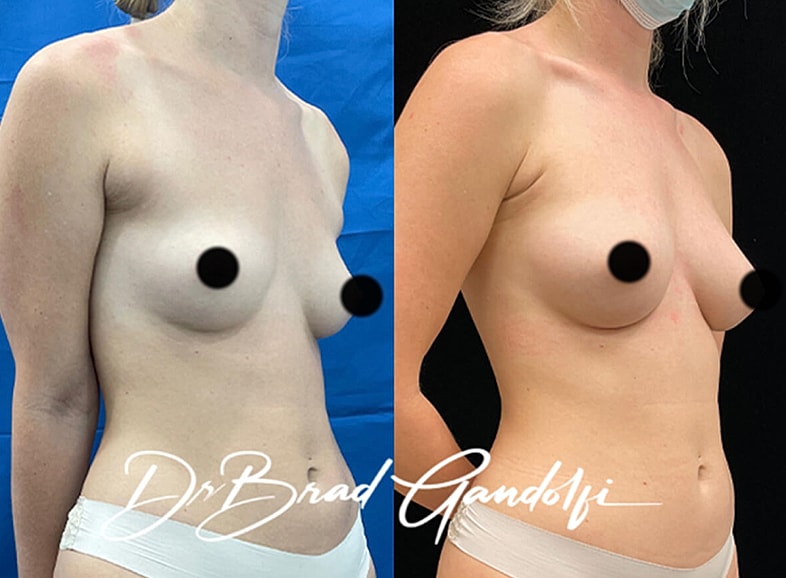
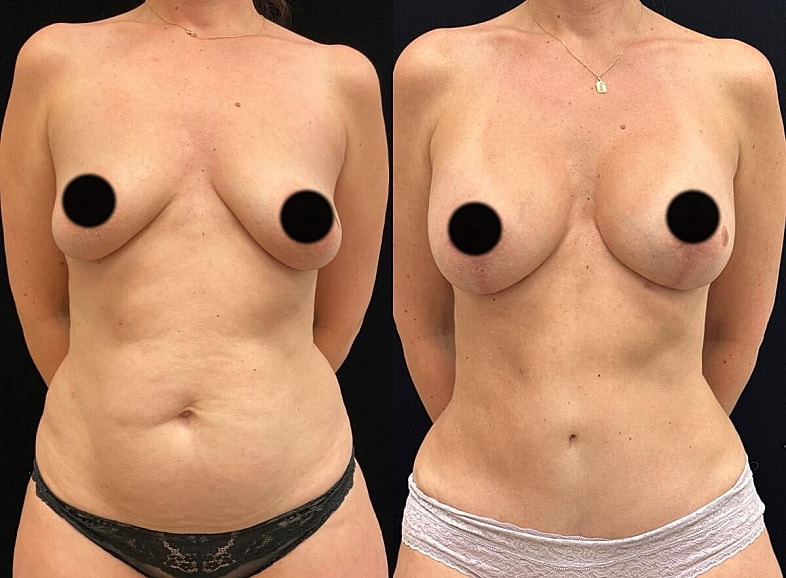
The types of breast augmentation available today offer a wide range of options for women seeking to enhance their appearance, restore volume, or achieve symmetry. With advancements in surgical techniques and implant technology, this popular cosmetic procedure has become more personalized and safer than ever.
Choosing the most suitable method, however, depends on multiple factors including body structure, aesthetic goals, and lifestyle preferences. In this article, we break down the primary types of breast augmentation to help you make a well-informed decision.
Saline implants are filled with a sterile saltwater solution contained within a silicone shell. These implants are FDA-approved for patients aged 18 and older. They remain a common option because of their straightforward design.
One major advantage of saline implants is adjustability. The volume can be fine-tuned during surgery, which is helpful when correcting asymmetry or achieving specific sizing goals. Saline implants are inserted empty and filled after placement, requiring a smaller incision.
They do tend to feel firmer and may ripple under the skin, especially in women with minimal natural breast tissue. Many patients choose saline implants because the saline solution is safely absorbed by the body if a rupture occurs.
Silicone implants are pre-filled with a cohesive silicone gel, giving them a softer, more natural feel and appearance than saline. Because of their realistic texture, these implants are preferred by many patients and surgeons. They are FDA-approved for individuals aged 22 and older.
Silicone implants have a lower risk of rippling but carry the potential for a “silent rupture.” This means the implant may tear without obvious symptoms. Routine imaging, such as MRI or ultrasound, is often recommended to monitor implant integrity. Despite this, their natural look and feel make them the most popular implant choice worldwide.
Structured saline implants blend features of saline and silicone options. They contain internal chambers that stabilize the saline, creating a feel closer to silicone gel. These implants are FDA-approved and provide the reassurance of saline while better mimicking natural tissue.
They are often chosen by patients who want a saline-based option but dislike the typical firmness of traditional saline implants. These implants also help reduce the appearance of folding or rippling. However, they come at a higher price point and are less commonly used than standard saline or silicone options.
Form-stable implants, often called gummy bear implants, are filled with a thick silicone gel that keeps its shape even when cut. They are usually teardrop-shaped to resemble the natural slope of the breast, making them ideal for patients seeking a subtle, anatomical look.
Gummy bear implants are durable and highly resistant to leakage because of their dense gel. They do require a longer incision during surgery, and they feel firmer than other silicone implants. If one rotates in the breast pocket, it can create an unnatural appearance that may require correction.
Round implants have a symmetrical shape that delivers a fuller upper breast, enhances cleavage, and provides a lifted look. They are popular among patients who want a noticeable augmented appearance.
Because of their uniform shape, rotation does not affect the overall breast contour. Round implants are available in various sizes and profiles, which will allow customization of width and projection. They may not mimic the natural teardrop shape as closely as form-stable implants, but they remain a reliable and attractive choice.
Breast implants have either smooth or textured outer shells. Smooth implants move more freely inside the breast pocket, which creates natural movement. This movement can sometimes cause minor shifting over time.
Textured implants adhere to surrounding tissue, reducing the chance of movement. They may also lower the risk of capsular contracture, a condition where scar tissue tightens around the implant. Textured implants have been associated with a rare type of lymphoma, so many surgeons now recommend smooth implants unless there is a specific reason to use textured ones.
Deciding between smooth and textured shells depends on anatomy and surgical goals. A detailed consultation with a plastic surgeon is essential.
Fat transfer, or autologous fat grafting, is an alternative that uses your own body fat to enhance breast size and shape. Fat is harvested from areas like the thighs, abdomen, or flanks via liposuction, then purified and carefully injected into the breasts.
This method appeals to patients who prefer a natural option without foreign implants. Additionally, fat transfer offers the benefit of body contouring at the donor site, making it a two-in-one procedure.
However, fat transfer has volume limitations and may require multiple sessions to achieve desired results. The survival rate of transferred fat varies, so patients should have realistic expectations regarding size increase and longevity. Despite these considerations, fat grafting remains a valuable choice for subtle augmentation and improving breast shape.
The position of implants within the chest significantly affects the aesthetic outcome and recovery experience. Two primary placements are common:
There are several common incision sites surgeons use to insert breast implants, each with unique advantages and potential drawbacks:
Some patients seek enhancement without implants due to concerns about foreign materials or a preference for natural options. Fat transfer, as previously discussed, is the primary surgical alternative. Other non-surgical methods, such as creams, supplements, or external devices, lack scientific evidence supporting permanent breast enlargement.
Realistic expectations are key when considering these options. Fat grafting brings a measurable volume increase but is limited by the amount of fat available and the patient’s goals. Non-surgical methods do not offer reliable, lasting changes in breast size.
Recovery time varies depending on the type of implant, placement, and incision site. Generally, patients can expect swelling, bruising, and discomfort for several weeks. Most return to light activities within a week and resume full exercise after 4 to 6 weeks.
Risks include capsular contracture, implant rupture, infection, asymmetry, and changes in nipple sensation. Silicone implants require periodic imaging to monitor for silent rupture. Breast implants are not lifetime devices. Many patients undergo replacement or revision after 10 to 20 years, depending on individual factors and implant condition.
Selecting an experienced, board-certified plastic surgeon is paramount. Surgical technique, facility standards, and patient communication influence the safety and quality of results. For those seeking trusted options, breast augmentation in NYC is widely available with highly skilled surgeons using the latest technologies in state-of-the-art facilities.
The numerous types of breast augmentation exist to meet the diverse needs and aesthetic goals of patients. By understanding the differences in implant materials, shapes, placement, and alternative procedures like fat transfer, individuals can better navigate their options.
At our clinic, Dr. Gandolfi delivers personalized results grounded in surgical expertise. We aim to deliver the highest level of breast augmentation, facial plastic surgery, and other procedures in a nurturing, client-centric space. Our designer office reflects the designer results we deliver; precision, artistry, and innovation are at the heart of everything we do.
Request a consultation today to get started.